Many couples ask how much they should spend on a wedding ring. There is no fixed amount or industry rule to follow. The right budget depends on your finances, the metal you choose, whether the ring includes diamonds, and how you plan to wear it. Understanding what affects pricing can help you compare options and choose a ring that fits your budget.
What Does a Wedding Ring Typically Cost?
Wedding ring prices vary based on the metal, design, and whether the ring includes diamonds. A simple gold band may cost a few hundred dollars, while a platinum or diamond wedding ring can cost several thousand dollars. The main factors that influence price are the metal, total metal weight, diamond content, and customization.
Factors That Affect Wedding Ring Cost
Metal Choice
The metal is one of the biggest cost factors.
Metal | What to Know |
Platinum | Durable and naturally white. Usually the highest-priced option. |
White Gold | Similar appearance to platinum at a lower cost. |
Yellow Gold | Available in different purity levels, such as 14K and 18K. |
Rose Gold | Priced similarly to yellow gold. |
Titanium or Tungsten | Often costs less than precious metals while offering good durability. |
Plain Band or Diamond Band
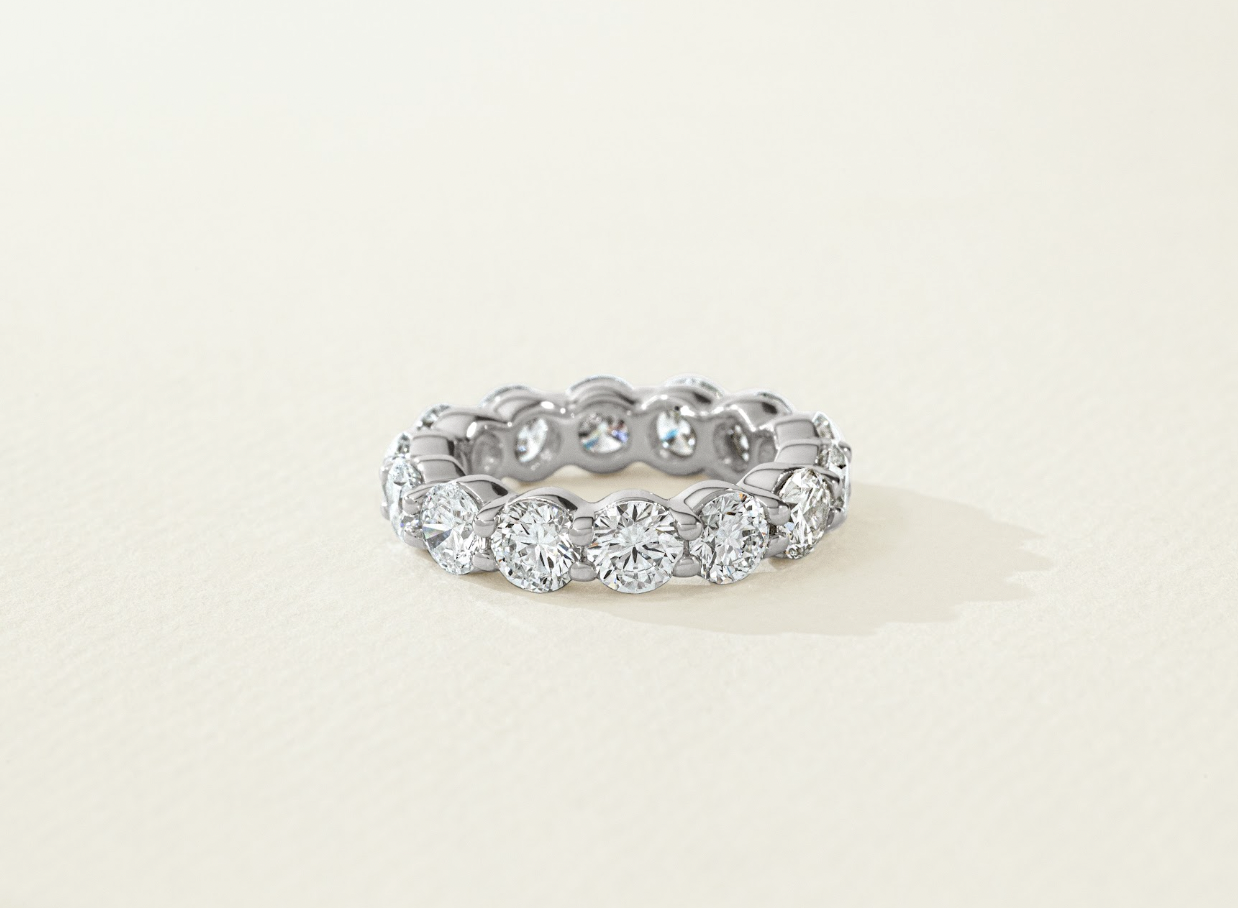
Plain wedding bands are generally more affordable because they do not include gemstones. Diamond wedding rings cost more based on the number of diamonds, total carat weight, quality, and setting style.
Ring Width and Customization
Wider bands require more metal, increasing cost. Custom features such as engraving, mixed-metal designs, or bands shaped to fit an engagement ring can also increase the final price.
How Lab Grown Diamonds Can Change Your Budget
If you are considering a diamond wedding ring, lab grown diamonds can reduce the overall cost compared to mined diamonds of similar size and quality. They have the same physical, chemical, and optical properties as mined diamonds but are typically available at a lower price. This may allow buyers to choose a higher total carat weight, better color or clarity grades, or a matching bridal set within the same budget.
How to Set a Budget
Before shopping, decide which features matter most. Consider whether you want a plain band or a diamond ring, which metal suits your lifestyle, whether the ring will be worn with an engagement ring, and if matching bands or engraving are priorities. Defining these preferences before comparing options makes budgeting easier.
Tips to Get Better Value
Choosing the most expensive ring does not always provide the best value. To make the most of your budget:
- Compare different metal options based on durability, maintenance requirements, and cost.
- Choose a band width that balances comfort with your budget.
- Consider lab grown diamonds if you want a diamond ring at a lower cost.
- Review the warranty and resizing policy before purchasing.
- Check that diamond rings include a grading certificate from a recognized institution.
Choosing the Right Wedding Ring
The best wedding ring is one that fits your budget and daily lifestyle. Comparing materials, diamond options, design features, and ownership costs will help you make an informed decision. Instead of following outdated spending rules, focus on choosing a ring that offers the right balance of comfort, durability, and value.
FAQs
1. How much should I budget for a wedding ring?
There is no standard amount. Your budget should depend on your finances, the materials you prefer, and whether you choose a plain band or a diamond wedding ring.
2. Are platinum wedding rings more expensive than gold?
In most cases, yes. Platinum generally costs more because of its density, durability, and higher metal content.
3. Do lab grown diamonds reduce the cost of a wedding ring?
Yes. Lab grown diamonds usually cost less than comparable mined diamonds, making diamond wedding rings more accessible within the same budget.
4. Does ring width affect the price?
Yes. Wider bands use more metal, which generally increases the overall cost regardless of the material.
5. Is engraving worth adding to a wedding ring?
Engraving is a simple way to personalize a wedding ring and typically costs much less than extensive custom design changes.