Gold has long carried emotional significance, marking milestones, preserving memories, and becoming part of personal style. Yet one detail can completely change how jewelry looks, feels, and wears over time: the karat. From delicate everyday chains to heirloom-inspired engagement rings, understanding gold karats helps you make more informed jewelry decisions. Whether comparing 14k gold vs 24k gold or trying to understand carat vs karat, knowing the difference matters before purchasing fine jewelry.
There is no universally perfect karat. The right choice depends on how jewelry fits into everyday life and personal style.
What Is Karat in Gold?
Karat measures the purity of gold used in jewelry. Because pure gold is naturally soft, jewelers blend it with alloy metals such as silver, copper, zinc, or palladium to improve durability and strength. The karat number represents how many parts of pure gold exist out of 24 total parts.- 24k gold = 24 parts pure gold
- 22k gold = 22 parts gold and 2 parts alloy metals
- 14k gold = 14 parts gold and 10 parts alloy metals
- 8k gold = 8 parts gold and 16 parts alloy metals
Carat vs Karat: What’s the Difference?
One of the most common jewelry misconceptions comes from confusing carat with karat. Karat refers to the purity of gold, while carat measures the weight of gemstones, including diamonds. A 2-carat diamond and a 14-karat gold ring describe two completely different characteristics of a jewelry piece. Understanding the difference between carat and karat becomes especially useful when shopping for engagement rings online or comparing fine jewelry materials. Today’s modern bridal jewelry often balances both beautifully, pairing lab grown diamonds with durable gold alloys for everyday elegance and lasting sophistication.The Most Popular Gold Karat Types Explained
Different gold karat types offer distinct advantages depending on lifestyle, aesthetic preference, and how frequently the jewelry will be worn.24K Gold: Rich Color and Pure Composition
24k gold contains nearly pure gold, giving it the deepest yellow tone of any gold type. Its rich appearance carries strong cultural and ceremonial significance across many regions worldwide. However, purity also comes with softness. Because 24k gold bends and scratches more easily, it is less practical for everyday fine jewelry. It is more commonly used for statement pieces, ceremonial jewelry, and occasional wear rather than engagement rings or daily staples.22K Gold: Traditional Warmth With Added Strength
22k gold balances high purity with slightly improved durability. Its color remains vibrant and luxurious while alloy metals provide additional structural support. This karat is especially popular in traditional bridal jewelry and ornate statement designs. However, it still remains relatively soft compared to lower-karat gold, which may affect gemstone security over time.14K Gold: The Contemporary Fine Jewelry Favorite
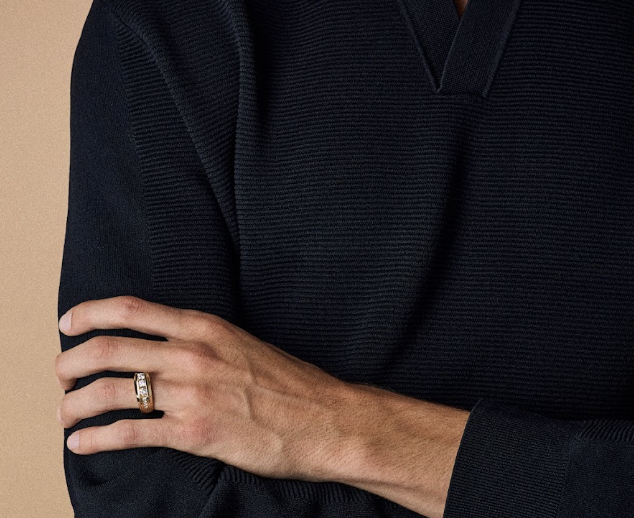
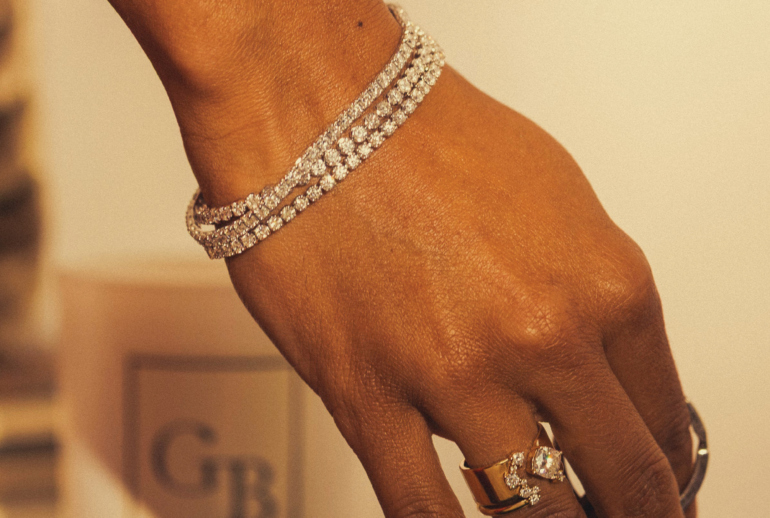
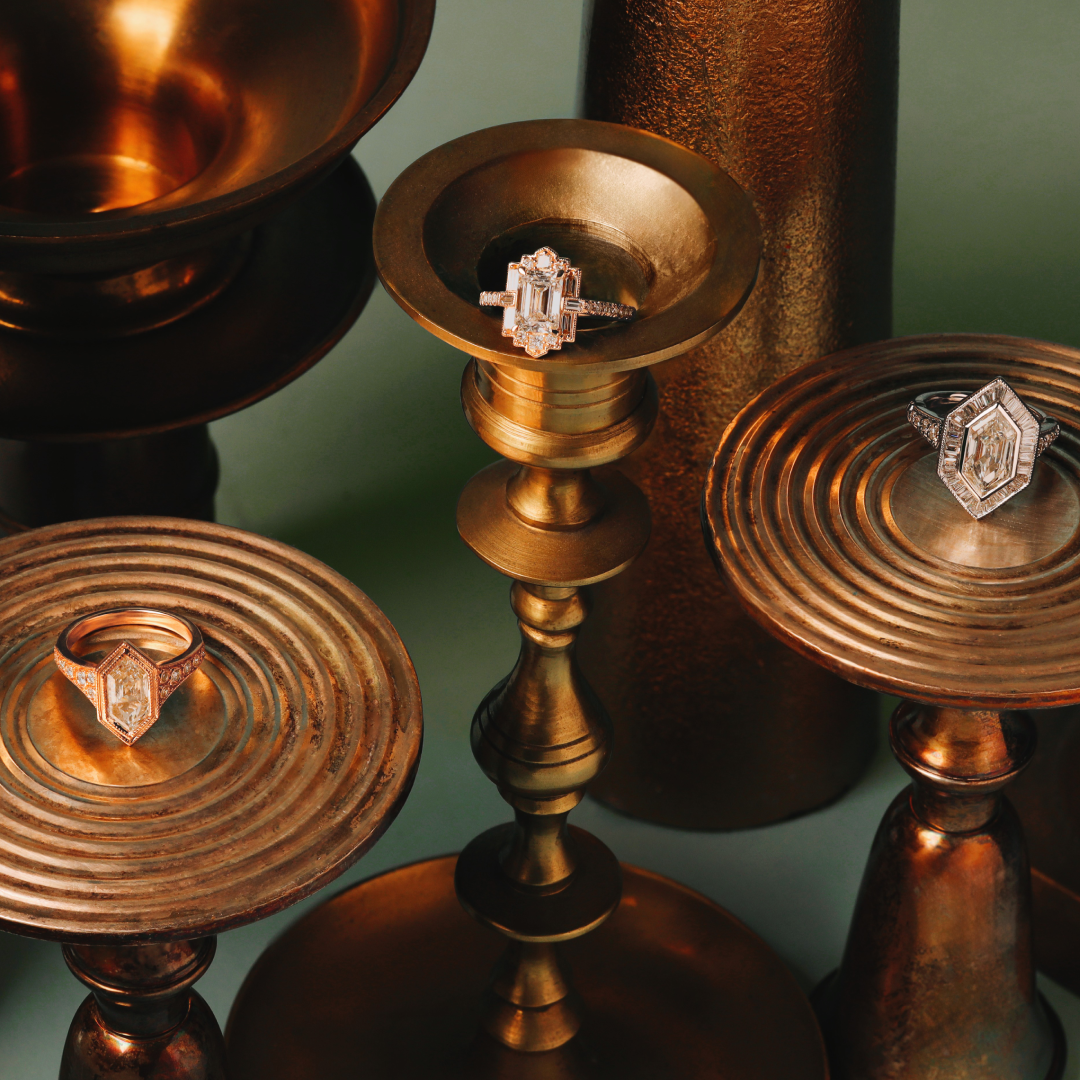
14k gold remains one of the most popular choices in modern fine jewelry because it balances luxury, durability, and everyday wearability. Because of its alloy composition, 14k gold resists scratches more effectively and holds gemstone settings securely. Its balanced structure also helps maintain gemstone security over time, making it a preferred choice for engagement rings designed for daily wear. That makes it especially well-suited for gold engagement rings, wedding bands, tennis bracelets, and everyday fine jewelry. Many of our designs feature 14k gold because it complements contemporary lifestyles while maintaining the elevated appearance associated with luxury jewelry. For shoppers comparing 14k gold vs 24k gold, the choice often comes down to wearability. While 24k gold emphasizes purity, 14k gold offers greater resilience without sacrificing sophistication.8K Gold: Practical and Accessible
8k gold contains a higher percentage of alloy metals and less pure gold. The result is a stronger, more affordable option with a softer gold appearance. Some regions classify 8k gold differently based on local purity standards, but it remains a practical choice for fashion jewelry and trend-focused designs. Buyers seeking a richer tone and elevated finish often gravitate toward higher-karat options instead.How Gold Karat Affects Color
Gold purity directly influences color. Higher-karat gold typically appears warmer and more intensely yellow because it contains more pure gold. Lower-karat gold often looks softer in tone due to the increased presence of alloy metals. Those alloys also create distinct gold shades, including:- Yellow gold
- White gold
- Rose gold
Understanding Gold Purity Markings
Vintage and fine jewelry pieces often include numeric purity stamps instead of traditional karat markings. A gold purity chart may include:- 999 = nearly pure gold
- 916 = 22k gold
- 585 = 14k gold
- 333 = 8k gold
Choosing the Right Gold Karat
The best karat of gold depends on personal style, lifestyle needs, and how the jewelry will be worn over time.| Gold Karat | Best For | Key Benefits |
|---|---|---|
| 24K or 22K Gold | Special occasion jewelry, ceremonial pieces, and those who prefer a rich gold appearance | High gold purity, vibrant yellow tone, strong cultural and traditional significance |
| 14K Gold | Everyday fine jewelry, engagement rings, wedding bands, and frequently worn pieces | Excellent durability, secure gemstone settings, balanced luxury and practicality |
| 8K Gold | Fashion jewelry and trend-focused designs | Greater affordability, stronger alloy composition, practical for occasional styling |