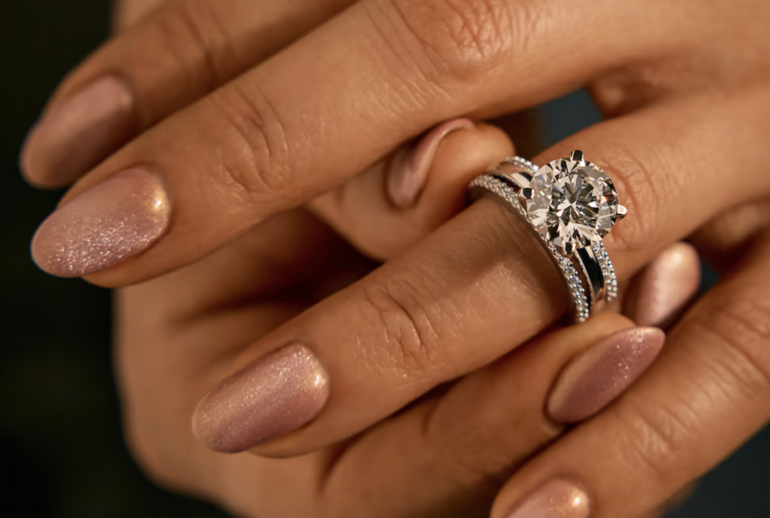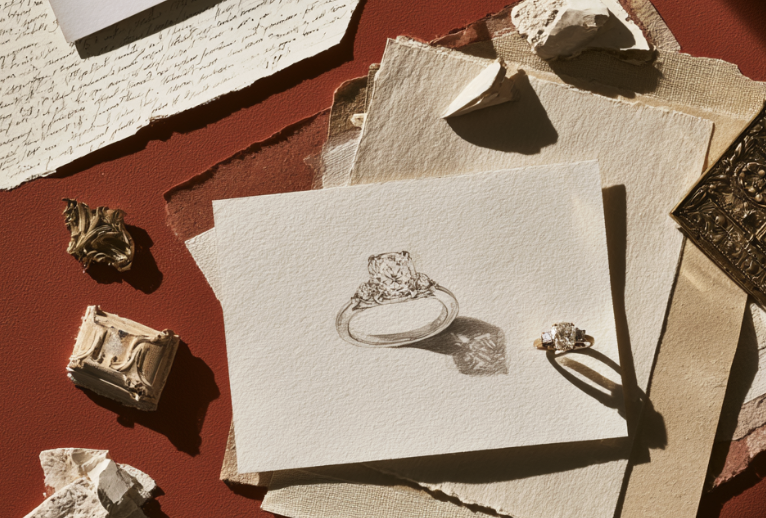
Diamond shape influences more than appearance. It affects how large a stone looks, how it reflects light, and how it complements different ring settings. Among the most popular engagement ring styles, oval and cushion cuts continue to attract buyers for different reasons. Oval diamonds are known for their elongated silhouette and larger face-up appearance, while cushion cuts offer softer edges and balanced proportions. Understanding how these two shapes compare can make it easier to choose a ring that matches your style and priorities.
Understanding Oval and Cushion Cut Diamonds
Oval and cushion cuts are two of the most recognized diamond ring styles, but they differ in shape and overall appearance. An oval diamond features an elongated outline with rounded ends. This shape can create the impression of a larger stone because it covers more surface area when viewed from above. A cushion cut diamond has a square or rectangular shape with rounded corners. It combines softer edges with balanced proportions, making it a versatile choice for many ring designs. Both cuts are available in a wide range of settings and continue to be popular across changing jewelry trends.
Oval and Cushion Cuts Remain Among Today’s Most Popular Shapes
Industry data shows that fancy-shaped diamonds continue to gain popularity among engagement ring buyers.
- Oval diamonds account for approximately 23% of non-round engagement ring diamond selections in recent bridal jewelry market reports.
- Cushion cuts consistently rank among the top five most popular diamond shapes for engagement rings.
- Elongated diamond shapes such as oval cuts can appear up to 10% larger face-up than some other shapes of the same carat weight due to their spread.
These trends reflect growing demand for shapes that balance visual impact, versatility, and personal style.
Oval vs Cushion Cut Rings: Key Differences
Although both shapes offer strong light performance, they create different visual results.
Feature | Oval Cut | Cushion Cut |
Shape | Elongated with rounded ends | Square or rectangular with rounded corners |
Face-Up Appearance | Often appears larger | More compact appearance |
Light Reflection | Many smaller flashes of light | Larger flashes of light |
Finger Coverage | Covers more surface area | Balanced proportions |
Design Style | Common in modern settings | Works in classic and modern settings |
One of the biggest differences is overall shape. Oval diamonds create a longer appearance on the finger, while cushion cuts emphasize symmetry and balanced proportions.
Which Shape Looks Larger?
For buyers focused on visual size, oval diamonds often have an advantage. Their elongated shape distributes weight across a larger face-up area, which can make them appear bigger than cushion cuts of the same carat weight. This larger appearance is one reason oval gold rings remain a popular choice. The shape can also create a lengthening effect on the finger. Cushion cuts, while typically more compact in appearance, are often chosen for their balanced dimensions and structured outline.
Comparing Light Performance
Light performance is an important factor when comparing diamond shapes. Both oval and cushion cuts can display excellent brilliance when cut well, but they reflect light differently. Oval diamonds use a brilliant-style faceting pattern that produces numerous flashes of light across the stone. Cushion cuts generally feature larger facets, creating broader reflections and a different visual pattern.
Which Shape Fits Your Style?
Personal style often plays a major role in choosing between these two shapes. The setting, metal choice, and overall ring design can influence how each diamond looks once worn.
If You Want… | Best Choice |
Larger face-up appearance | Oval Cut |
Elongated finger effect | Oval Cut |
Balanced proportions | Cushion Cut |
Vintage-inspired designs | Cushion Cut |
Modern solitaire settings | Oval Cut |
Halo settings | Cushion Cut |
Oval diamonds are frequently featured in solitaire, hidden halo, and three-stone settings. Cushion cuts work particularly well in halo and vintage-inspired designs because of their shape and proportions.
Metal Choices and Design Considerations
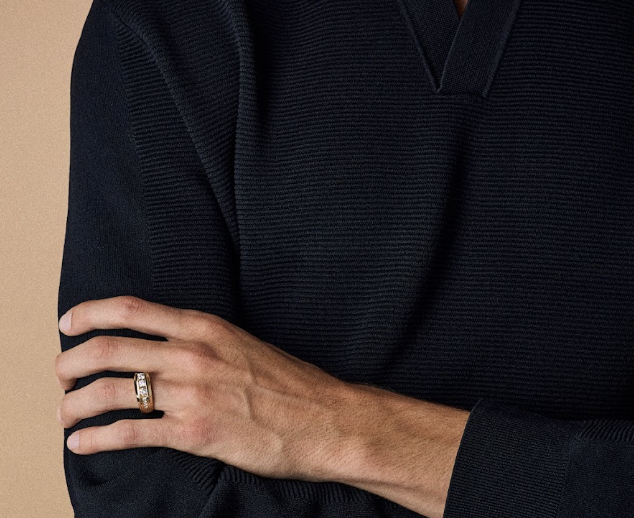
The metal used in the setting can affect the overall appearance of both diamond shapes. Yellow gold remains a popular choice because it complements a wide range of engagement ring designs. Oval gold rings are often selected for contemporary settings, while cushion cuts work equally well in traditional and modern styles. White gold, platinum, and rose gold also remain common choices depending on personal preference and design goals. When comparing diamond ring styles, considering the complete ring design, not just the diamond shape, can help create a more balanced decision.
Considering Lab Grown Diamond Options
Many buyers today choose lab grown diamonds because they have the same physical, chemical, and optical properties as mined diamonds. This allows shoppers to focus on shape, cut quality, and overall design while maintaining flexibility in their budget. Grown Brilliance offers engagement ring collections featuring both oval and cushion-cut lab grown diamonds.
How to Decide Between Oval and Cushion Cut Rings
If visual size and finger coverage are top priorities, an oval diamond may be the better fit. Buyers drawn to balanced proportions and softer geometry often prefer cushion cuts. Beyond shape alone, consider:
- Your preferred ring setting
- Metal choice
- Finger shape and size
- Overall design aesthetic
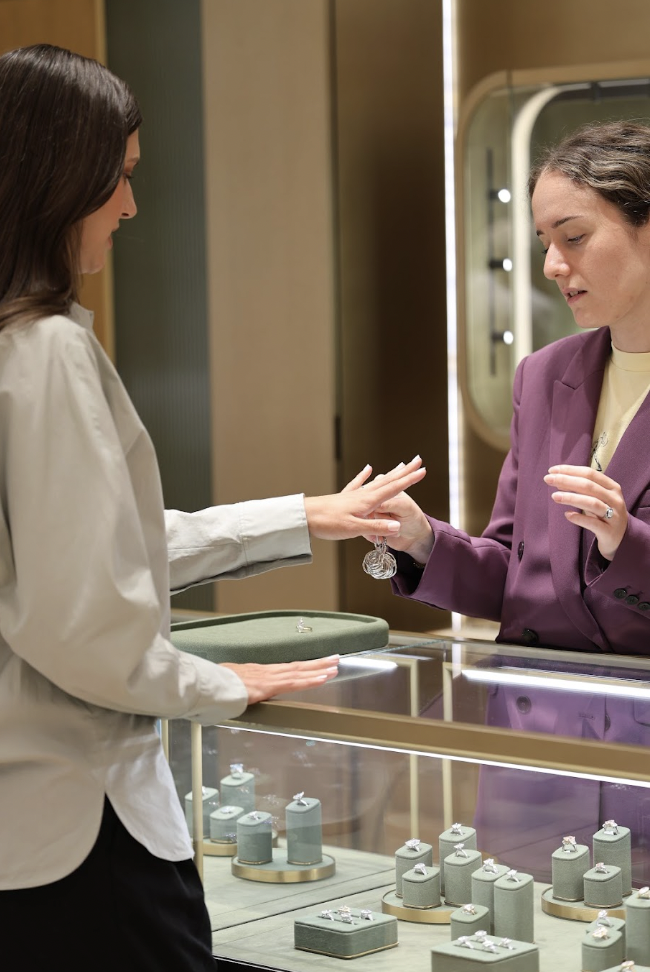
Viewing complete ring designs rather than loose diamonds can make the decision easier, as the setting plays a significant role in the final look.
Conclusion
Both shapes continue to be popular because they offer distinct advantages rather than competing for the same look. Oval diamonds emphasize length and visual size, while cushion cuts focus on symmetry and versatility. Whether you’re drawn to oval gold rings or cushion cut rings, Grown Brilliance offers a wide selection of lab grown diamond engagement rings designed to help you compare styles and find the shape that best fits your preferences.
Frequently Asked Questions
1. Is an oval diamond more expensive than a cushion cut?
Diamond pricing depends primarily on carat weight, color, clarity, and cut quality. While market demand can influence pricing, shape alone is usually not the deciding factor. Two diamonds with similar quality grades may have comparable pricing regardless of whether they are oval or cushion cut.
2. Which diamond shape looks bigger, oval or cushion?
Oval diamonds generally appear larger than cushion cuts of the same carat weight. Their elongated shape spreads weight across a larger surface area, creating a bigger face-up appearance and making them a popular choice for buyers seeking maximum visual size.
3. Are cushion cut rings still popular?
Yes. Cushion cut diamonds remain one of the most popular engagement ring shapes. Their rounded corners, balanced proportions, and compatibility with both classic and modern settings have helped them maintain consistent demand among engagement ring buyers.
4. Do oval diamonds reflect more light than cushion cuts?
Both shapes can deliver strong brilliance when well cut. Oval diamonds typically create more frequent flashes of light, while cushion cuts produce larger reflections because of their facet arrangement. The visual effect differs, but both shapes offer attractive light performance.
5. Which setting works best for oval and cushion cut diamonds?
Oval diamonds are commonly paired with solitaire, hidden halo, and three-stone settings. Cushion cuts work especially well in halo, vintage-inspired, and classic solitaire designs because their shape complements a wide range of setting styles.