A solitaire engagement ring is often defined by its simplicity. As there is a single center stone serving as the focal point, the other design elements around it become more noticeable. This also includes the band width.
Most people (rightly) give attention to diamond shape, setting, and metal. However, the band width can also have a significant effect on how the ring looks and feels. The right width not only helps create balance and improves comfort, but it also influences how prominently the center diamond appears.
Why Band Width Matters
Band width plays a bigger role in the overall look of a ring than many people expect.
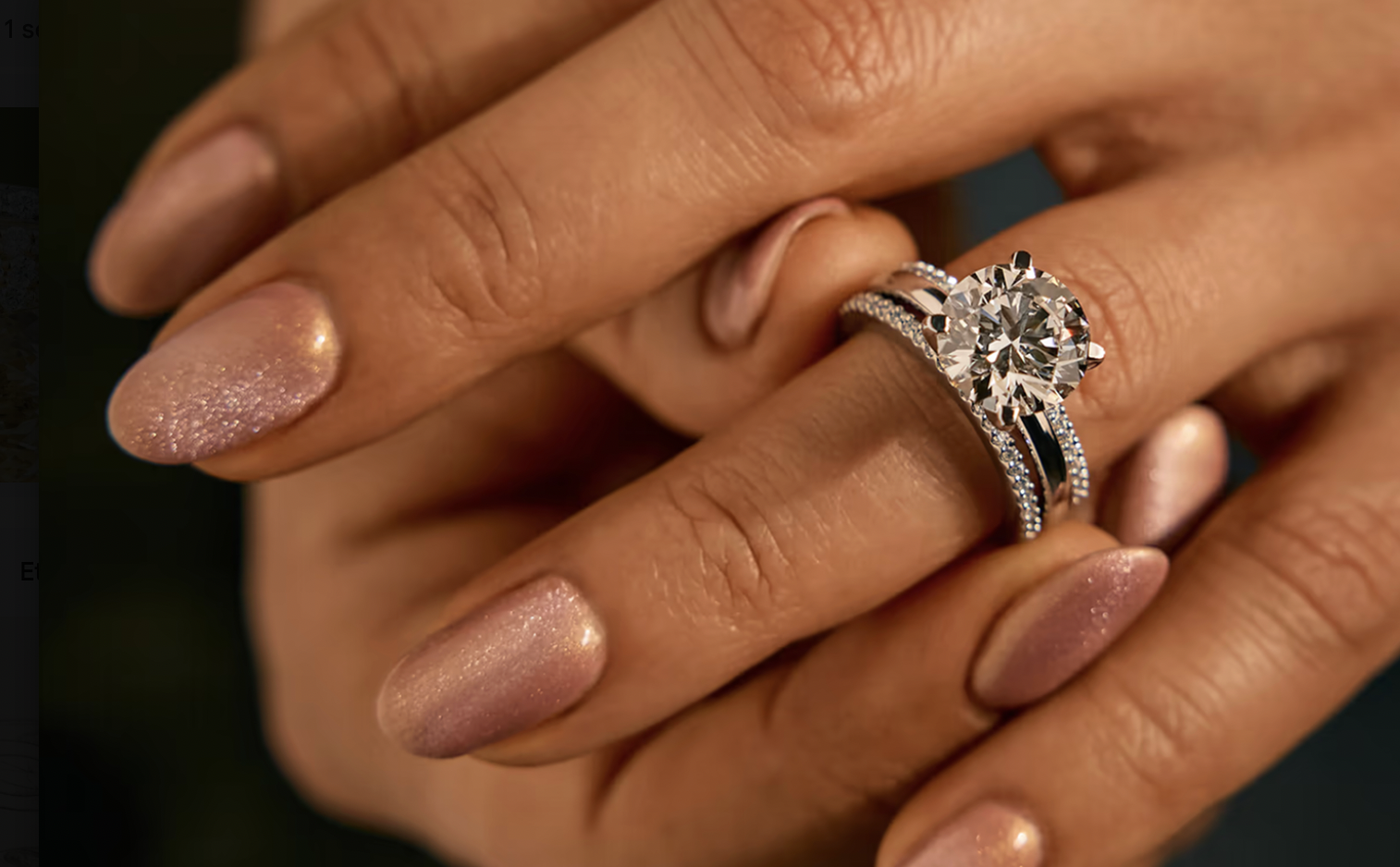
A narrower solitaire engagement band, such as the Gala ring, puts more focus on the center diamond because there is less metal surrounding it. A wider band creates a bolder look on the finger and can make the ring feel more substantial.
Band width can also affect comfort. Some people prefer the lighter feel of a slim band, while others like the extra coverage and structure that comes with a wider design.
Understanding Common Band Widths
As a general guideline, most solitaire engagement bands fall into one of three width ranges.
Band Width | Typical Width | Visual Effect | Often Chosen For | Considerations |
Narrow Bands | 1-2 mm | Highlights the center diamond | Minimalist styles | Can make the diamond appear larger. |
Medium Width Bands | 2-3 mm | Balanced look | General versatility | Works with most shapes and settings. |
Wide Bands | 3 mm+ | More substantial appearance | Bold styles or larger stones | Draws more attention to the metal. |
Choosing the Right Band Width for Your Ring
The same width can look different depending on the diamond, the hand wearing it, and whether the ring will eventually be paired with a wedding band. These factors can help narrow the options.
Match the Band Width to the Diamond Shape
Different diamond shapes can change how a band width appears.
Round diamonds tend to work well with a variety of widths because of their balanced proportions. Elongated shapes such as oval, pear, marquise, and emerald cuts are often paired with narrower bands, which can emphasize their length.
For cushion, radiant, and princess cuts, the right width usually depends more on the size of the center stone and the overall look you are trying to achieve than the shape itself.
Consider Finger Size and Hand Proportions
A band that looks delicate on one hand may appear more substantial on another.
Finger size, finger length, and overall hand proportions can all influence how a ring looks once it is worn. If possible, compare a few different widths in person. If not, an existing ring that feels comfortable can provide a useful point of reference.
Think About the Future Wedding Band
If the engagement ring will eventually sit beside a wedding band, it is worth considering that combination early.
A very narrow solitaire engagement band may look different once paired with a wider wedding band. Matching widths can create a more cohesive look, while contrasting widths can help each ring stand out on its own.
How Custom Designs Can Provide More Room to Adjust
The factors above, such as diamond shape, finger proportions, and a future wedding band, are easier to adjust with custom engagement bands than with ready-made designs.
Most ready-made rings are available in standard widths, so the closest option may not always feel like the right fit. With a custom design, even small adjustments to the band width can help create better balance between the center stone and the band.
For shoppers looking for that level of precision, Grown Brilliance’s Truly Custom service lets you tailor your ring according to your specific preferences. All you have to do is upload your inspiration ring, receive 3D renders of it, review and approve them, and have it delivered in as little as 14 days.
Why Width Matters More on a Solitaire Than on Other Settings
A solitaire ring relies on just two design elements: the center stone and the band. As a result, changes to the band width tend to be more noticeable than they are in more detailed settings.
For instance, in a halo ring setting, the smaller diamonds surrounding the center stone contribute to the overall look, which can make changes in band width feel less significant. A solitaire engagement ring does not have those additional design elements, so even a small difference in width can affect how the ring looks as a whole.
If you are set on a solitaire engagement ring, this focus on width should not put you off track. In fact, you can see it as an additional reason to make the ring more personalized and deliberate.
FAQs
1. What is the most popular band width for a solitaire engagement ring?
Many solitaire engagement rings fall within the 2 to 3 millimeter range because it balances comfort, durability, and visual proportion while working with a variety of diamond shapes and sizes.
2. Does a thinner band make a diamond look bigger?
Yes. A narrower solitaire engagement band typically makes the center stone appear more prominent because there is less metal surrounding it. This creates greater visual emphasis on the diamond.
3. Should an engagement ring band match the wedding band width?
Not necessarily. Matching widths can create a cohesive appearance, while contrasting widths can create more visual distinction. The best choice depends on the overall look you want when you wear both rings together.
4. Is a wider band more comfortable than a narrow band?
Comfort is largely a personal preference. Some people prefer the lightweight feel of a narrow band, while others prefer the stability and presence of a wider design. Trying different widths can help you figure out what feels best for everyday wear.