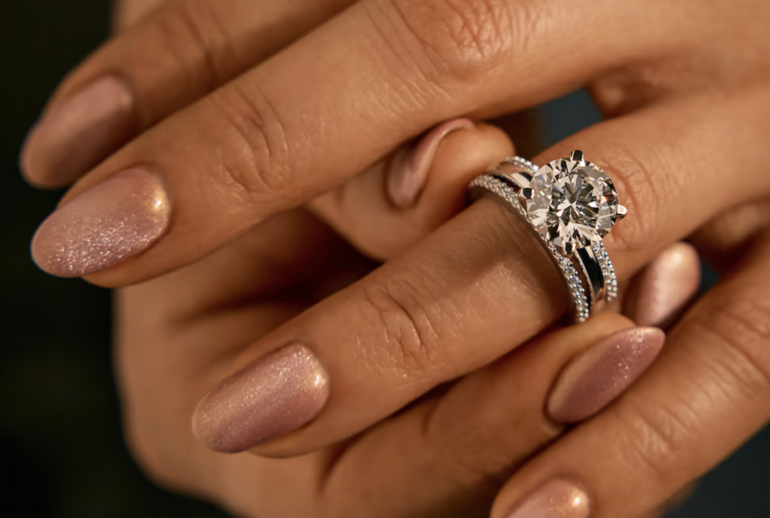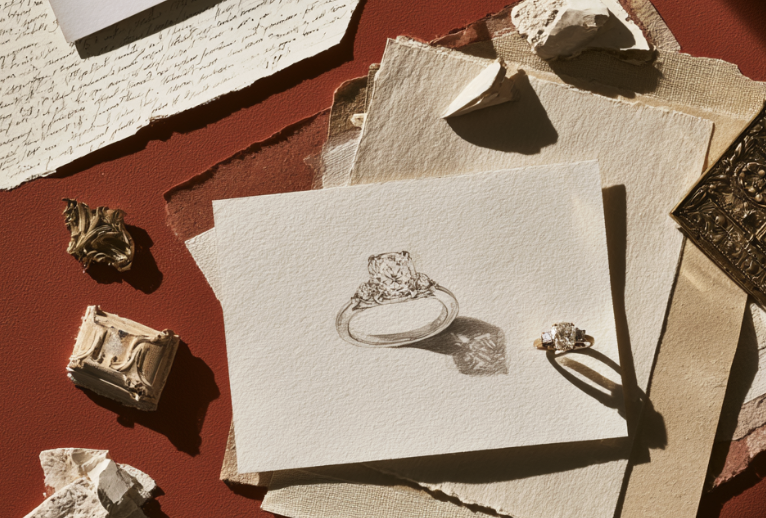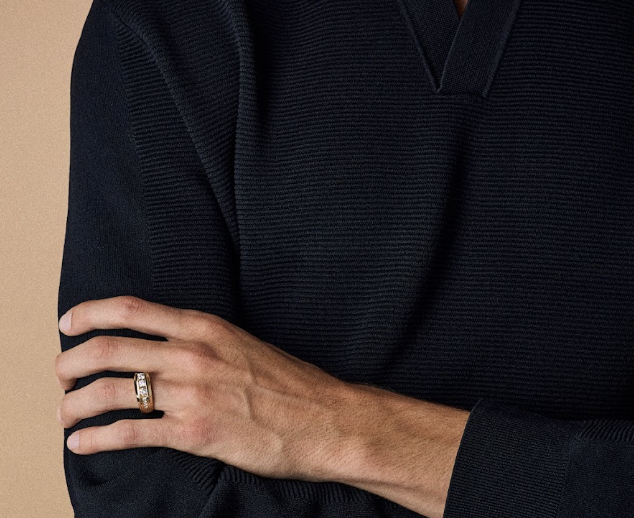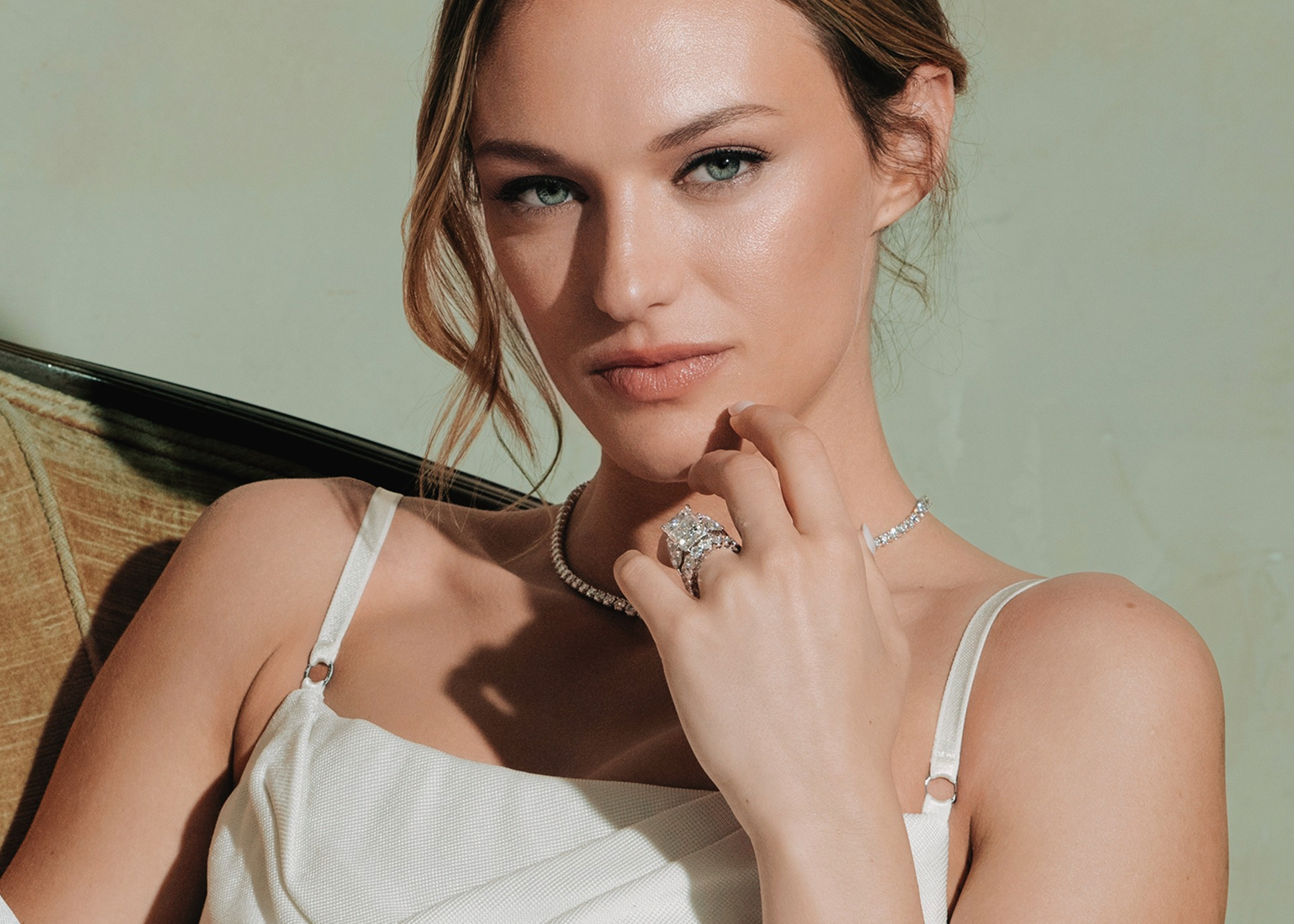
The main difference between an engagement ring and a wedding ring is their purpose, when they are exchanged, and how they are worn. An engagement ring is typically given during a proposal and usually features a center diamond or gemstone. A wedding ring is exchanged during the ceremony and is designed for everyday wear. Understanding these differences can help you compare styles, plan your budget, and decide whether you want one ring or both.
Engagement Ring vs. Wedding Ring: Quick Comparison
Feature | Engagement Ring | Wedding Ring |
Purpose | Marks a proposal | Marks the marriage |
When Given | During the proposal | During the wedding ceremony |
Design | Usually includes a center stone | Usually a band, with or without diamonds |
Cost | Typically higher | Usually lower |
Daily Wear | Often worn with a wedding band | Designed for everyday wear |
What Is an Engagement Ring?
An engagement ring usually costs more because it includes a center diamond or gemstone. The center stone, setting, and band design all influence the final price and overall appearance. Common engagement ring styles include:
- Solitaire
- Hidden halo
- Halo
- Three-stone
- Bezel
- Vintage-inspired settings
If diamond size is a priority, oval, pear, emerald, and marquise shapes often appear larger than round diamonds of the same carat weight.
What Is a Wedding Ring?
A wedding ring, also called a wedding band, is exchanged during the wedding ceremony and is designed for daily wear. Comfort and durability are important because the ring is typically worn every day. Popular wedding band styles include:
- Plain metal bands
- Pavé diamond bands
- Eternity bands
- Contour bands
- Mixed-metal bands
When comparing wedding rings, consider the band width, profile, and metal type. These factors affect comfort, maintenance, and how the ring pairs with an engagement ring.
Which Ring Costs More?
In most cases, the engagement ring costs more because it includes a center diamond or gemstone, a more detailed setting, and a higher total carat weight. Wedding rings are generally less expensive, although diamond eternity bands and custom designs can cost about the same. If you are comparing diamond options, lab grown diamonds have the same physical, chemical, and optical properties as mined diamonds while typically costing less than comparable mined diamonds. This can make larger center stones or higher-grade diamonds more accessible within the same budget.
Which Ring Goes on First?
Traditionally, the wedding ring is worn closest to the hand, with the engagement ring placed above it. Many people continue to follow this order, while others arrange their rings based on comfort, personal preference, or how the rings fit together. If you plan to wear both rings every day, check that they sit comfortably next to each other and do not leave large gaps or rub against one another. Rings designed as a bridal set are often made to fit together more closely, although many people successfully pair different styles.
Should Your Rings Match?
Matching rings create a coordinated look and are designed to fit together. Others prefer different metals, band widths, or styles based on their preferences or future stacking plans. There is no standard approach, so choose the combination that best suits how you plan to wear your rings.
What to Consider Before Buying
Before choosing your rings, compare the following:
- Budget: Decide how much you want to spend on each ring.
- Lifestyle: Choose designs suited to your daily activities.
- Comfort: Compare different band widths and profiles.
- Metal Type: Consider durability, maintenance, and appearance.
- Future Stacking: Check that both rings fit comfortably if you plan to wear them together.
Final Thoughts
Engagement rings and wedding rings serve different purposes, but both should suit your budget, lifestyle, and daily wear. Comparing the design, metal, comfort, and how the rings fit together can help you make a more informed decision. Taking the time to evaluate these factors before buying can make it easier to choose rings that match both your preferences and how you plan to wear them.
FAQs
- Do you need both an engagement ring and a wedding ring?
No. Some people wear both rings, while others choose only an engagement ring or only a wedding band based on their preferences and lifestyle. - Which ring is usually more expensive?
The engagement ring is typically more expensive because it usually includes a center diamond or gemstone and a more detailed setting. - Do engagement rings and wedding rings have to match?
No. Many people choose matching sets, while others mix different metals or styles based on their preferences. - Can a wedding ring include diamonds?
Yes. Wedding rings are available as plain metal bands, diamond bands, eternity bands, and other designs that include diamonds. - Are lab grown diamonds suitable for engagement rings?
Yes. Lab grown diamonds have the same physical, chemical, and optical properties as mined diamonds and can offer greater flexibility in choosing diamond size or quality within the same budget.