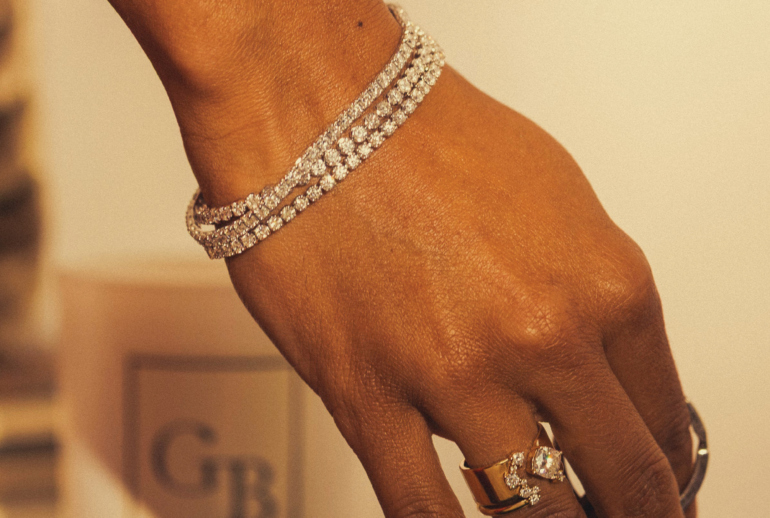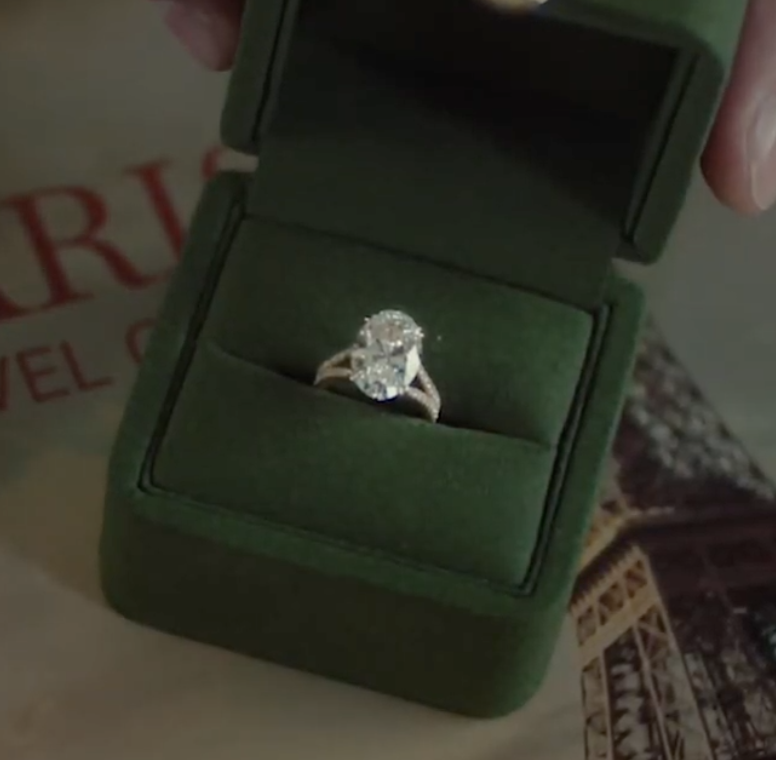
Fine jewelry holds few mysteries as enchanting as diamonds themselves. What makes these stones truly captivating is their interaction with light, creating a visual performance that elevates any style. Terms like fire and brilliance are often used interchangeably, but they describe two distinct optical phenomena that define a diamond’s beauty.
Together, fire and brilliance create the layered luminosity that gives diamonds their enduring allure. Understanding this distinction before investing in lab grown diamonds transforms technical knowledge into a more refined expression of taste and selection.
At Grown Brilliance, where innovation meets timeless elegance, lab grown diamond jewelry delivers the same exceptional optical performance as mined diamonds—with the added benefits of ethical sourcing and environmental responsibility. Modern technology allows these diamonds to achieve unmatched visual brilliance, from intense sparkle to vivid flashes of light.
What Is Diamond Brilliance?
Brilliance refers to the white light reflected back to the eye from a diamond. It is the foundation of a diamond’s sparkle—the bright, clean flashes that create its signature glow. When light enters a well-cut diamond, it reflects internally and exits through the top (the crown), returning directly to the viewer’s eye. This process gives the diamond its luminous, radiant appearance. Brilliance depends primarily on cut quality, making it the most important factor influencing a diamond’s overall beauty.Why Cut Quality Matters for Brilliance
Superior brilliance requires precise cutting. The angles and proportions of a diamond must align perfectly to maximize the return of light.- Poorly cut diamonds allow light to escape from the sides or bottom
- Well-cut diamonds reflect light internally for maximum brightness
What Is Diamond Fire?
Fire, also known as dispersion, refers to a diamond’s ability to split white light into its spectral colors. This creates the vivid rainbow flashes seen when a diamond moves under light. As light passes through a diamond, it bends and separates into different wavelengths—producing flashes of red, orange, yellow, green, blue, and violet. All diamonds have the same inherent potential for fire due to their composition. However, how visible the fire appears depends on the cut and lighting conditions.When Does Diamond Fire Stand Out Most?
Fire becomes more noticeable under certain conditions:- Spotlighting enhances colorful flashes
- Dim or diffused lighting highlights brilliance instead
- Round brilliant cuts balance fire and brilliance
- Step cuts (emerald, Asscher) emphasize brilliance over fire
Fire vs Brilliance: Key Differences
| Aspect | Fire | Brilliance |
|---|---|---|
| Definition | Dispersion of light into colors | Reflection of white light |
| Visual Effect | Rainbow flashes | Bright white sparkle |
| Appearance | Bold, dramatic | Clean, classic |
| Role | Adds personality | Forms the foundation of sparkle |
| When Overdone | Can appear overly flashy | May look flat |
| Ideal Balance | Subtle accents | Strong, even light return |
The Perfect Balance: Why Both Matter
The most beautiful diamonds strike a balance between fire and brilliance.- High brilliance + low fire → Bright but one-dimensional
- High fire + low brilliance → Colorful but lacking glow
- Precise cutting angles
- Ideal proportions
- Symmetry across facets
How to Choose a Diamond Based on Fire and Brilliance
Understanding these concepts allows you to make a more informed choice. When shopping for lab grown diamond jewelry:- View diamonds under different lighting conditions
- Observe whether you prefer white sparkle or rainbow flashes
- Compare multiple stones side by side
- Always prioritize excellent cut quality
Why Lab Grown Diamonds Enhance Optical Performance
Lab grown diamonds offer distinct advantages when it comes to fire and brilliance:- Fewer inclusions improve light performance
- Greater affordability allows for higher cut grades
- Larger carat sizes enhance the visibility of sparkle