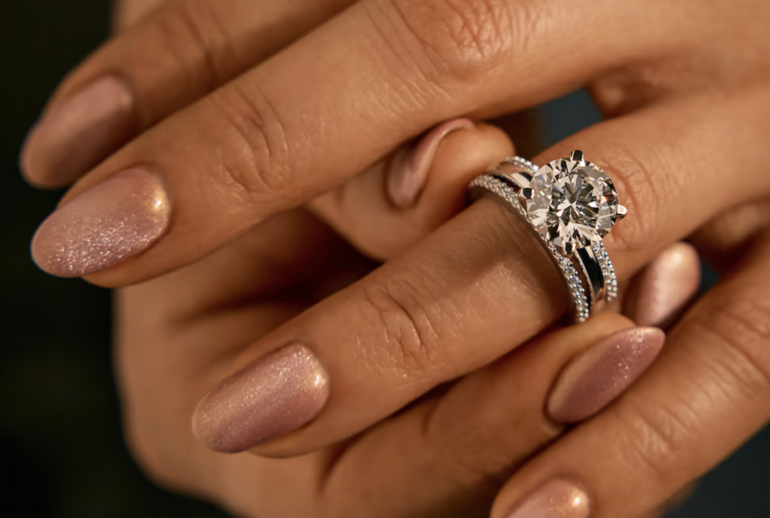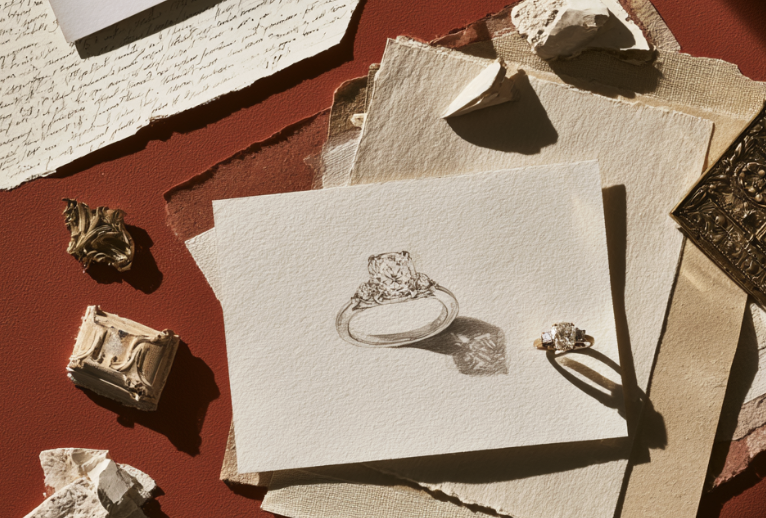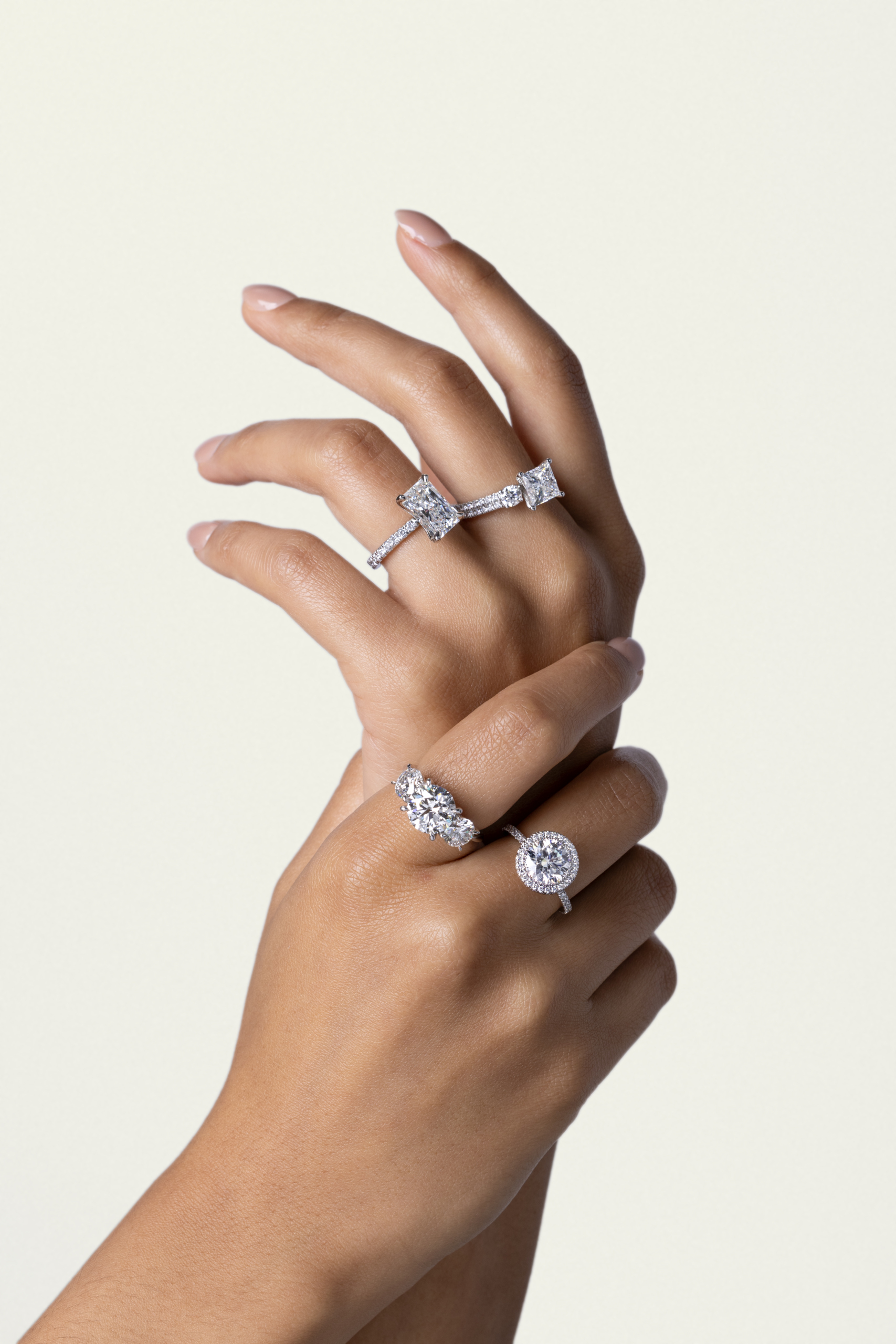
Every ring carries a story in its design, reflecting the wearer’s personality. The center stone draws immediate attention, yet the real character sits beneath it, shaped by structure and detail. Ring anatomy reveals that hidden layer, where design meets engineering and beauty gains its staying power. The anatomy of an engagement ring is not just about how it looks in a box. It defines how the piece feels in the hand, how it holds up over time, and how effortlessly it becomes part of everyday life. When each element is considered carefully, the result feels natural, almost inevitable, even though every detail has been precisely chosen.
What Is Ring Anatomy and Why Does It Matter?
Ring anatomy refers to the individual components that come together to form a complete design. From the band that wraps around the finger to the prongs that secure the stone, each part has a defined role.
Understanding the parts of a ring affects how a piece is evaluated. It shifts attention away from surface sparkle and toward craftsmanship that lasts. A ring may appear refined at first glance, but its true quality reveals itself in how well each element supports the other.
There is also a quiet confidence that comes with this knowledge of your lab diamond jewelry and your choices become more personalised and expressive.
What Makes Up an Engagement Ring? A Closer Look
Each element of the ring, from structure to setting, plays a role in shaping both durability and visual balance. Understanding these parts allows the design to feel intentional, rather than assembled.
Craftsmanship Revealed in the Details A closer look at the parts of an engagement ring reveals how craftsmanship quietly defines quality. Well-aligned prongs, a balanced shank, and a precisely set stone all signal attention to detail that goes beyond the surface. These elements may seem subtle at first, yet they shape how the ring looks, feels, and performs over time.
Essential Parts of Ring Structure Explained
A ring is a careful composition of parts that make it what it is and gives its look, feel, and structure. Each part plays a role in shaping comfort, balance, and durability, working together to support both the design and the diamond over time.
The Band: Where Comfort Begins
The band forms the foundation, resting quietly against the skin while supporting the entire design. It may appear simple, yet its proportions determine how the ring feels over hours of wear. Choosing a band is all about the ring’s comfort and style. A band that is too thin risks losing shape over time, and one that is too thick can feel heavy. Finding the right balance is all about finding what is between durability, style, and comfort.
The Shank: Structure with Subtle Influence
The shank extends from the band toward the setting, carrying the weight of the ring with quiet strength. It is rarely the first detail noticed, yet it shapes how the entire piece comes together. Profiles vary from softly rounded edges to sharper, more defined lines. A slight taper toward the center stone creates a natural flow, guiding attention without forcing it.
The Prongs: Small but Essential
The prong is where your perfectly cut lab diamond sits, finishing the ring with its sparkling touch, making it not only romantic but also endlessly endearing. Prongs hold the center stone securely, serving as the final point of contact between the diamond and the ring. Their size and shape influence both safety and appearance.
The Center Stone: The Heart of Ring Anatomy
The center stone sets the tone before anything else has a chance to speak. It captures light, defines scale, and gives the ring its identity. Everything around it exists to enhance and protect that presence.
Lab grown diamonds from Grown Brilliance bring a modern clarity to this focal point. Cut and shape influence how the stone interacts with light. A round brilliant feels lively and radiant, while an emerald cut leans into structure and depth. The relationship between the stone and its setting determines how balanced the design appears, creating harmony that feels effortless when done well.
The Setting: Where Design Meets Function
The setting holds the center stone in place, but its role extends beyond security. It shapes how light enters the diamond and how the ring presents itself from every angle. Prong settings allow more light to pass through, creating an open and luminous effect. Bezel settings frame the stone with a continuous metal edge, offering a more enclosed, protective feel. Pavé and halo styles introduce layers of smaller diamonds, adding texture without disrupting the overall balance. Each choice changes the character of the ring slightly. Some feel delicate and airy, while others feel grounded and structured. The setting, in many ways, decides how the ring lives beyond the moment it is first worn.
Designed with Longevity in Mind
At Grown Brilliance, this attention to detail shapes every design. Each ring is crafted with a focus on longevity, ensuring that the structure supports the beauty rather than competing with it. The presence of a lab grown diamond at the center adds another layer of reliability, offering brilliance that remains consistent through years of wear.
Where It All Comes Together
Ring anatomy begins as a technical concept, yet it quickly becomes something more intuitive. Each part plays its role quietly, yet together they create a design that feels complete and balanced. The center stone draws the eye, the setting secures its place, and the surrounding structure supports everything without distraction. Nothing feels excessive, and nothing feels accidental. At Grown Brilliance, this balance is intentional. Lab grown diamonds sit within designs built for both beauty and endurance, creating pieces that feel refined from every angle. The result is a ring that does more than shine in a moment. It holds its presence, day after day, without losing what made it special in the first place.