When searching for diamond jewelry for an engagement, an anniversary or a special gift, you want the perfect accessory for a memorable occasion. However, you may be concerned about the ethical implications of traditionally mined diamonds, such as political conflict and poor conditions for workers.
Lab grown diamonds from Grown Brilliance offer a more responsible alternative, blending beauty and ethical sourcing. If you’re intrigued by the possibility of choosing an ethical gem, you might wonder how these lab grown diamonds are created. Explore the fascinating process behind their production and why Grown Brilliance jewelry is the perfect addition to your collection.
What Are Lab Grown Diamonds?
Lab grown diamonds are real diamonds created in controlled environments rather than mined from the Earth. These stones are identical to earth-mined diamonds, featuring the same physical and chemical characteristics and optical brilliance.
This is achieved by mimicking the natural conditions under which traditional diamonds form but within a laboratory setting. Unlike their naturally occurring counterparts, which develop over millions of years under the Earth’s surface, fabricated diamonds are produced in three to four weeks in a lab, making them a more ethical alternative.
Over the years, lab grown diamonds have evolved from scientific curiosities to centerpieces of fine jewelry. With continuous improvements in technology and artistry, modern lab grown diamonds rival — and often surpass — earth-mined diamonds in quality, precision, and affordability. Their emergence has redefined what luxury can mean: beautiful, responsible, and forward-thinking.
The journey to create diamonds in a lab began in the 1950s when scientists at General Electric first produced tiny diamond crystals using high-pressure techniques. Over decades, this technology has advanced, evolving from simple crystal formations to the ability to replicate the nuanced conditions needed for larger, gem-quality stones.
By the 2010s, labs could produce diamonds indistinguishable from mined stones to the naked eye without specialized training and equipment. These lab stones are used in high-end diamond jewelry, such as engagement rings and bracelets and offer an ethical alternative to mined stones for modern consumers.
How Do Lab Diamonds Compare to Mined Stones?
Lab grown diamonds are comparable to mined stones, with almost identical characteristics and properties. Here’s a closer look at their key features:
| Feature | Natural Diamonds | Lab Grown Diamonds |
|---|---|---|
| Composition | Pure carbon | Pure carbon |
| Crystal Structure | Diamond cubic | Diamond cubic |
| Hardness (Mohs scale) | 10 | 10 |
| Refractive Index | 2.417-2.419 | 2.417-2.419 |
| Origin | Naturally occurring in Earth’s mantle | Human-made from a small diamond seed |
| Formation Time | Millions of years | 3-4 weeks |
| Price | Generally more expensive due to mining and supply chain costs | 50-60% less expensive than natural diamonds of similar quality |
Methods of Producing Lab Grown Diamonds
Scientists have developed two primary methods for creating lab grown diamonds: High-Pressure High-Temperature (HPHT) and Chemical Vapor Deposition (CVD). Each technique mimics the conditions under which natural diamonds form, but in a controlled, accelerated manner.

High-Pressure High-Temperature (HPHT) Method
The HPHT method recreates the intense pressure and temperature deep within the Earth. It is effective for producing larger, high-clarity diamonds and uses the following process:

A small diamond seed is placed in a chamber with a carbon source (usually graphite) and a metal catalyst (like iron or nickel).
The chamber is heated to about 1300°C to 1600°C and pressurized to approximately 870,000 pounds per square inch.
The high-pressure high-temperature conditions cause the metal to melt, dissolving the carbon.
The dissolved carbon then precipitates onto the diamond seed, slowly building into a larger diamond crystal.
After several days to weeks, the chamber is cooled and the HPHT diamond is carefully extracted.
Chemical Vapor Deposition (CVD) Method
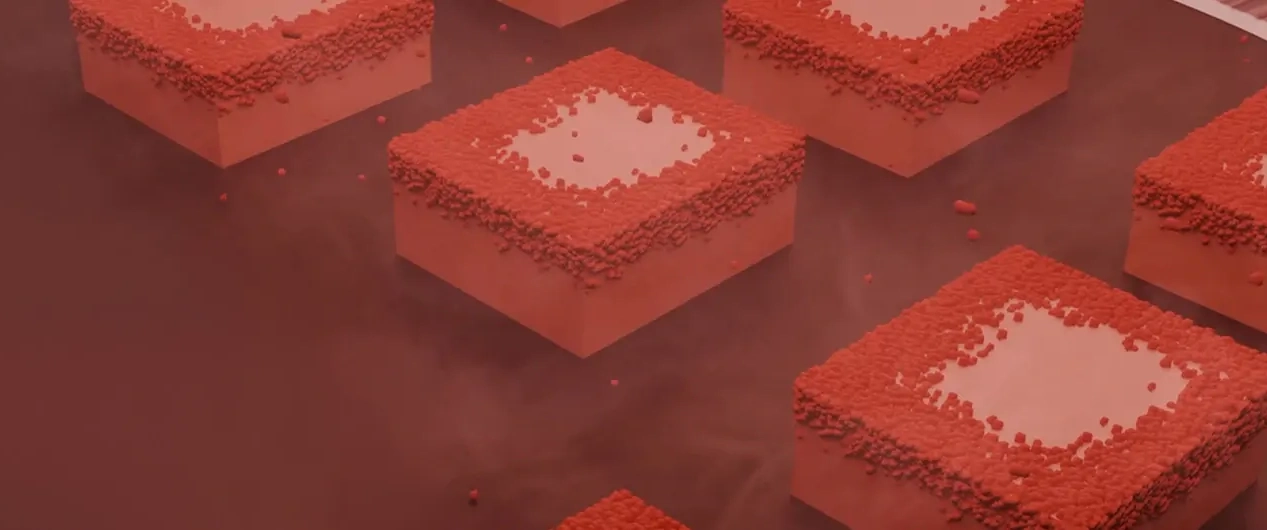
The CVD method uses a different process that grows diamonds layer by layer at lower pressure. CVD diamonds are created with the following steps:

A thin slice of diamond (the seed) is placed in a sealed chamber.
The chamber is heated to 900-1200°C and filled with carbon-rich gases, typically a mixture of hydrogen and methane.
Microwave energy or hot filaments ionize these gases, breaking their molecular bonds.
The freed carbon atoms settle onto the diamond seed, binding to its structure.
These atoms build up layer by layer, causing the diamond to grow vertically.
This CVD process continues for several weeks until the desired size is reached.
The CVD method offers greater control over diamond properties. By adjusting the gas composition, labs can influence color, from colorless to fancy blues, yellows and pinks.
Both methods create authentic diamonds. HPHT mimics nature’s high-pressure approach, while CVD mirrors how diamonds might form in carbon-rich gas pockets. Each has its strengths: HPHT for larger stones, CVD for purer, uniquely colored ones.
What Happens After Growing a Lab Diamond?
Once a lab diamond is grown, it undergoes the same finishing processes as a natural stone. These include cutting, polishing, grading and certification. After this, artisans can use the loose lab diamond in various jewelry settings and designs.
Cutting: The rough diamond is carefully cut to boost its brilliance or optimize how it reflects light to the viewer’s eye. Grown Brilliance offers a variety of popular shapes, such as round, princess or cushion, each designed to maximize the stone’s radiance and appeal.
Polishing: Grown Brilliance artisans polish each diamond facet to a perfect mirror finish. This step is vital as it enhances the diamond’s fire and scintillation, making it sparkle under any light.
Grading: Each diamond undergoes a thorough assessment by respected institutions like the Gemological Institute of America (GIA) or the International Gemological Institute (IGI). They evaluate the diamond based on the 4Cs —cut, color, clarity, and carat weight —which define its quality and value. Our lab diamonds at Grown Brilliance feature high ratings, such as VS2 and above for clarity, FG for Nearly-Colorless and Excellent for cut, making them the highest quality.
Certification: Following grading, each diamond receives a certificate from the lab. This document details the diamond’s specific characteristics and verifies its lab-grown origin, ensuring transparency and trust in its ethical creation. All loose stones over ¾ carat weight at Grown Brilliance have lab certification.
Why Choose Lab Grown Diamonds?
Lab grown diamonds combine science, innovation, and sustainability to create the same beauty and brilliance as mined stones — but with greater transparency and a lighter footprint on the planet. Whether you’re shopping for an engagement ring or an everyday accessory, lab grown diamonds allow you to celebrate life’s most meaningful moments responsibly and beautifully.
Discover Ethical Lab Grown Diamond Jewelry at Grown Brilliance
Grown Brilliance offers a stunning collection of ethically sourced, lab grown diamond jewelry. Explore our exquisite designs, all crafted with the highest-quality diamonds. From classic solitaire engagement rings to dazzling statement pieces, find the perfect expression of your unique style and commitment at Grown Brilliance.